Meet the Author

Ken Rimple
Senior Developer Advocate
Ken is a Senior Developer Relations Advocate at Honeycomb with over 35 years writing software, teaching, and mentoring engineers. He collaborates with developers to instrument applications across the stack to enable end-to-end observability and shares insights through blogs, podcasts, videos, and 1:1 office hours.
Explore Author's Blog
Fast AI Feedback Loops with Honeycomb and OpenTelemetry
Observability is the visibility you need to get the job done. Sending telemetry to Honeycomb explains what your agents are actually doing. OpenTelemetry provides semantic conventions for generative AI systems, a spec that defines how agents, LLMs, MCPs, and tools are properly observed. The primary telemetry is defined as trace spans and other events with specific naming patterns, mostly starting with gen_ai.
The Fundamentals: Fast, Deep, and Ready for What Comes Next - Part 3
The previous posts in this series looked at some of the use cases Honeycomb customers are implementing to observe LLMs in production and power agentic observability workflows. In this final post, we’ll take it back to basics and look at how the fundamental capabilities and infrastructure of Honeycomb provide the comprehensive data and fast performance that makes these use cases work at scale.
AI Working for You: MCP, Canvas, and Agentic Workflows - Part 2
In our previous post, we looked at how Honeycomb provides unique visibility into LLMs operating in your production environment. Now, let’s explore how Honeycomb provides observability insights uniquely suited to helping your AI agents rapidly diagnose and fix production issues.
Honeycomb Is Built for the Agent Era. Here's the Proof - Part 1
AI agents are rewriting how software is built and operated. In this series, you’ll learn about 12 use cases across LLM observability, agent debugging, MCP-powered coding agents, and automated AI investigations that prove Honeycomb is the observability platform built for what comes next.
Reporting Exceptions to Honeycomb with Frontend Observability
There are at least two ways to report error details in OpenTelemetry. Web applications generally place exceptions in trace spans as span events, and mobile applications send exceptions as log messages instead. This article will help you understand which approaches you can use, and how the errors will appear in Honeycomb.
Observability Day San Francisco: The Future of AI and Observability Is Bright
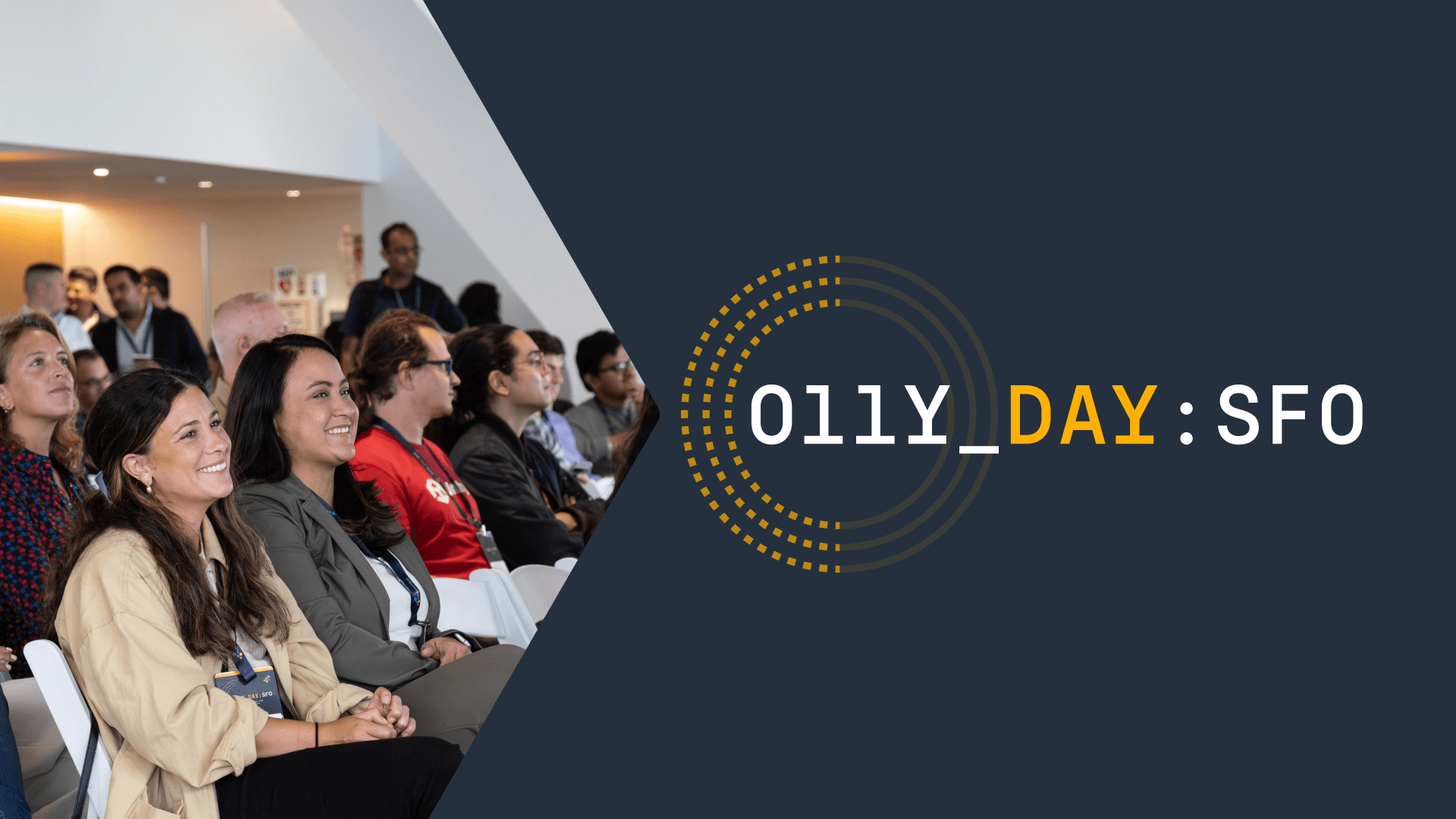
AI and observability are no longer separate conversations—they’re deeply intertwined. Across keynotes, panels, and demos, speakers at Honeycomb's Observability Day San Francisco unpacked what that means for engineering teams today: faster insights, smarter tools, and new challenges to solve.
AWS Summit NYC 2025: Laser-Focused on AI
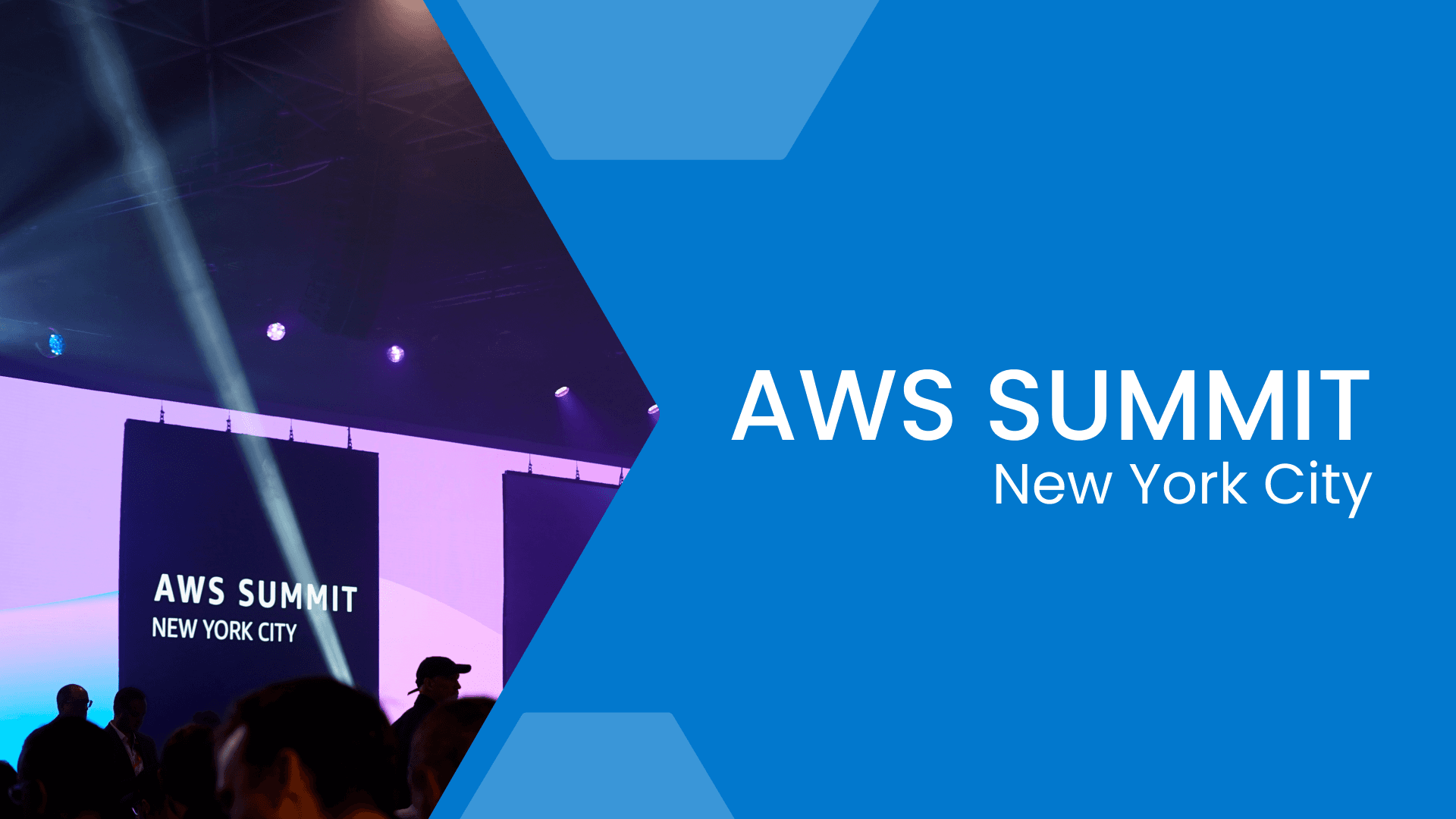
If you’re unfamiliar with AWS Summits, these are conferences that occur on a yearly basis in different cities. The events are mostly used to announce new products and technologies. This year, the theme was AI, as evidenced by the keynote, a large majority of the talks, and a walk around the vendor floor.

New Feature: Manage Your session.id in Honeycomb’s Web SDK
The session.id field is special in Honeycomb for Frontend Observability. It’s a default option for filtering and grouping, and it’s the basis for session timeline analysis (in Early Access). Now you can control how session.id is set.
Wiring Up a Next.js Self-Hosted Application to Honeycomb
This blog post will get you started ingesting your Next.js application’s telemetry into Honeycomb. I’ll show you the configuration steps, how to view your traces in Honeycomb, and even how to explore your frontend React telemetry with our Frontend Observability Web Launchpad.
Configuring a React Application with Honeycomb For Frontend Observability
In this article, I’ll lay out approaches for wiring Honeycomb to client-side only React so you can ingest your telemetry into Honeycomb and take advantage of the Web Launchpad. This telemetry sends semantically-named attributes, and can be used with any OTLP destination.