Honeycomb was built for the AI era. Learn how to futureproof your software for what comes next.
Discover why Honeycomb is the better choice for your engineers, your customers, and your bottom line.
Start your journey with the definitive guide to observability. Download our complimentary ebook.
Bring observability to every software engineer.
Learn about our company, mission and values.
Come for the impact, stay for the culture.
See Honeycomb's latest press releases, media, and more
Learn more about becoming a Honeycomb partner.
Already a Honeycomb customer?
Austin Parker
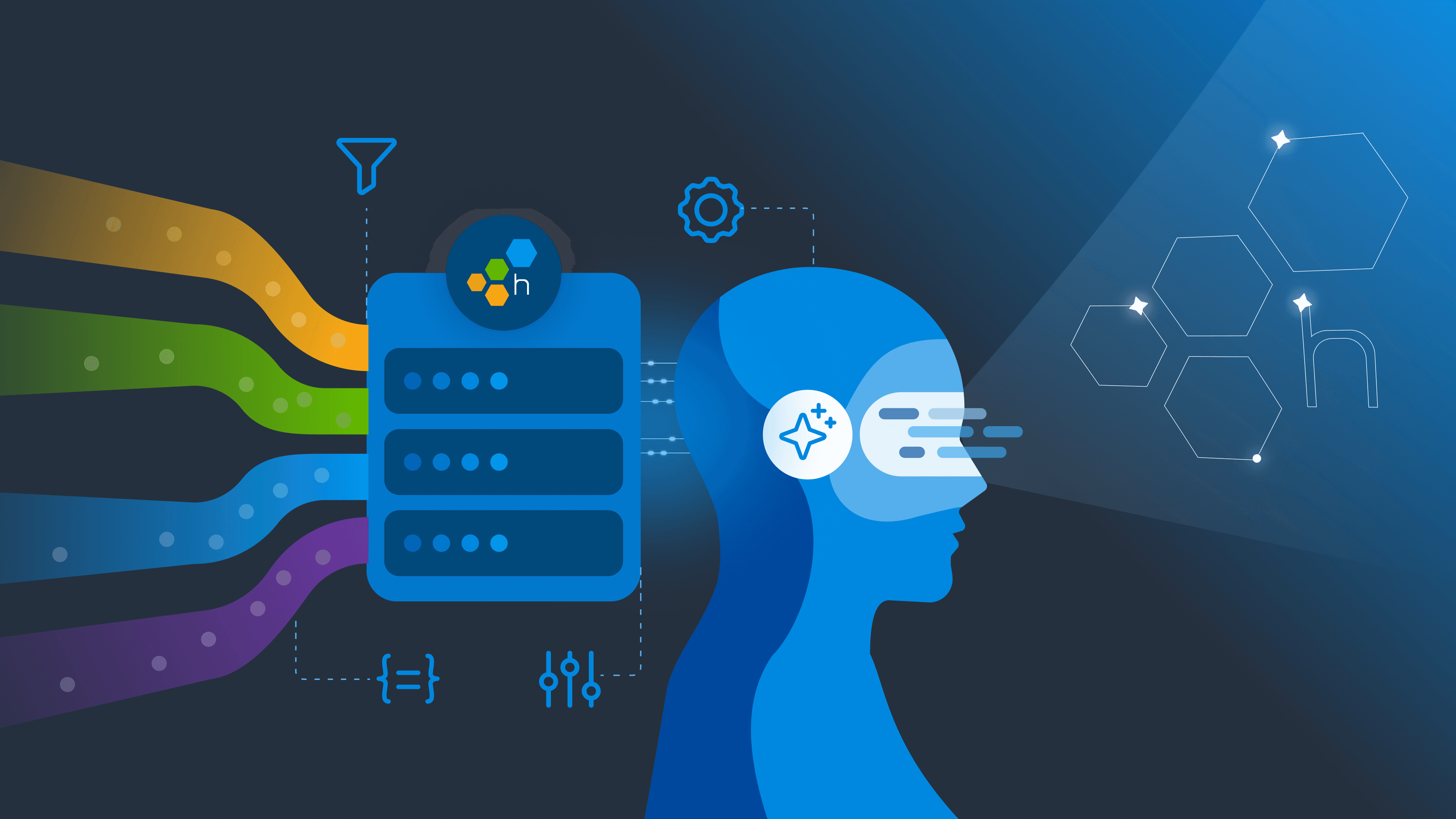
A year ago, I predicted ways in which AI was about to fundamentally change observability as we knew it. Here's what we've seen happen since—both at Honeycomb and with our customers—and what we're building for the future.
Charity Majors
Liz Fong-Jones
Juliana Gomez
Dan Juengst
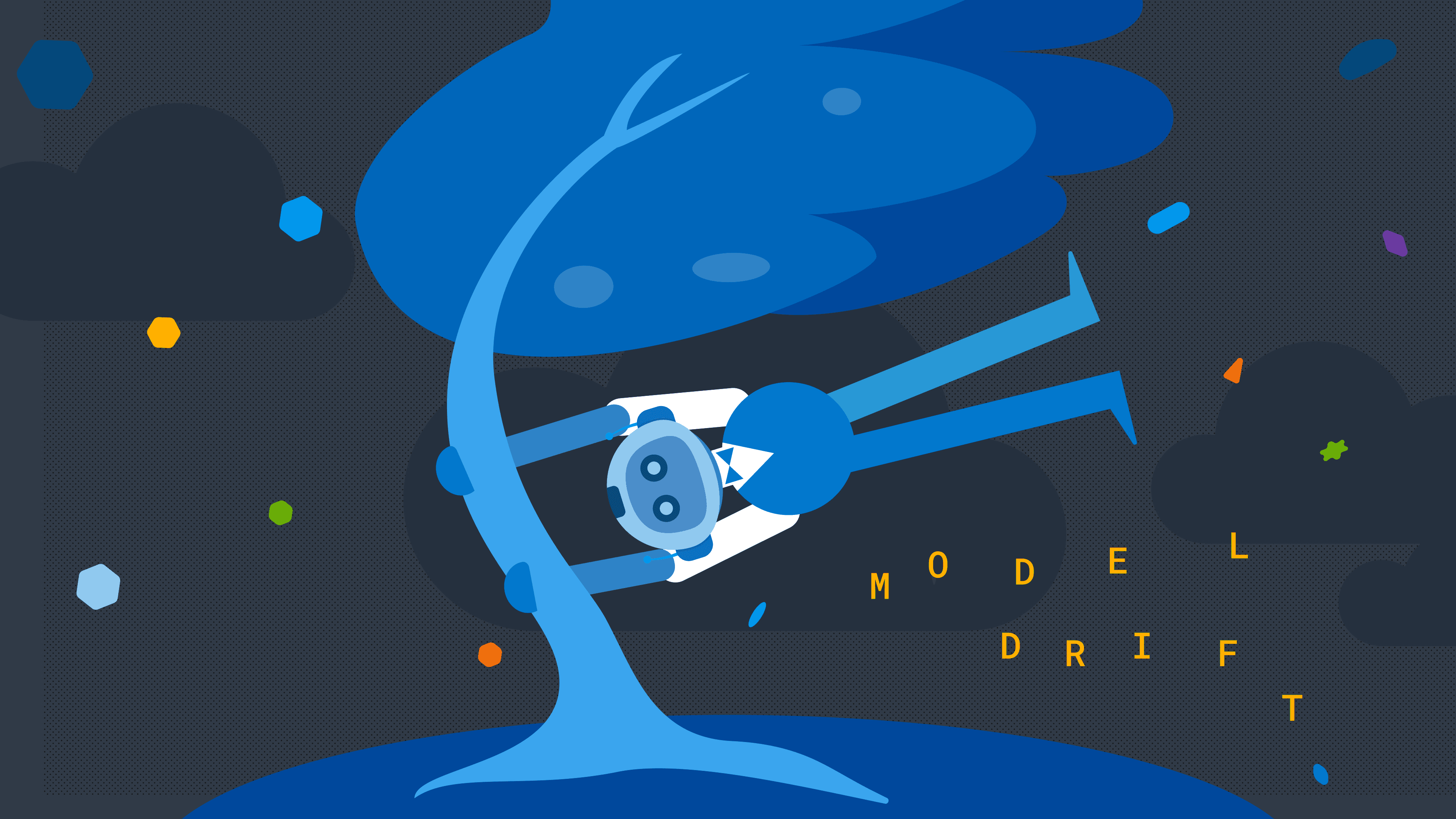
Learn what AI model drift is, why it happens, and how production teams detect changes in model quality, inputs, prompts, and behavior.
Kale Bogdanovs
Every BubbleUp query now surfaces significant correlations based on relevance, not just statistical analysis. Available today to all Honeycomb customers who have enabled Honeycomb Intelligence.
Rox Williams
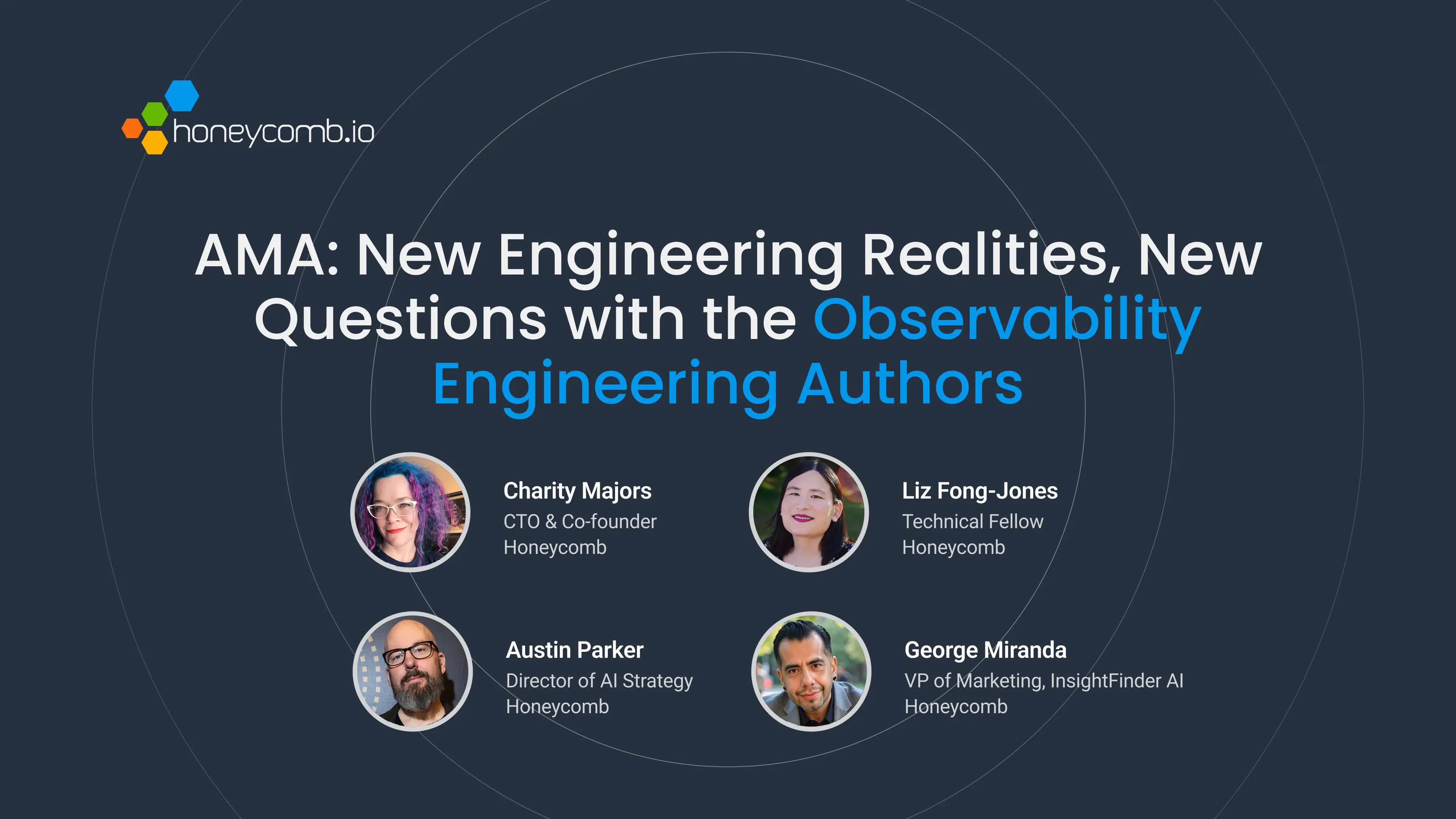
We couldn't get through every question during our live AMA with the authors of Observability Engineering, so Charity, Liz, George, and Austin stuck around to answer more on AI, telemetry, and what still needs a human in the loop.
Douglas Soo
LLMs have reshaped the day-to-day work of software engineering, leaving senior engineers exhausted by context-switching and junior engineers unsure how to grow. The fix isn’t a better prompt — it’s spending more time talking to humans: reducing context churn, pairing across seniority levels, and communicating more across teams.
Shabih Syed
For the third consecutive year, Honeycomb has been named a Visionary in the Gartner® Magic Quadrant™ for Observability Platforms. The recognition reflects Honeycomb's vision for fast, flexible, high-cardinality querying, agent-era observability with Agent Timeline and Canvas, and predictable event-based pricing at trillions of events.
Fred Hebert
Faced with an endless stream of AI-generated code reviews, our team made the counterintuitive choice to lean into the bottleneck rather than reduce it. Surprisingly, velocity held up, knowledge sharing improved, and we developed a collective system ownership that stuck.
The Honeycomb engineering team set out to double our productivity in a year. This is how we did it, what we did to keep things stable, what it cost us, and what we’re still figuring out.
As the Honeycomb engineering team worked to double our productivity, we learned a lot. The most important takeaway? Nothing anyone tells you about AI will land if your starting substrate is unhealthy.
Josh Parsons
We just completed a large-scale, multi-month Kafka migration project. We couldn't have done it without learning from past mistakes, prioritizing rollback safety, and building shared knowledge across the team through repeated migration practice.
In an open letter to engineering leaders everywhere, Fin CTO Darragh Curran explains that AI isn't a magic wand but rather an amplifier—of the good and the bad—of your engineering practices. And engineering rigor is more important than ever.
In the past, I was part of a group of engineers responsible for doing random code reviews with an eye for design system adherence. The design system team had been tracking who used their system the most and invited those engineers to help them review PRs, with the hope that education would be the key to getting more product engineers to use the system. I wanted to create something like that here at Honeycomb for our design system, Lattice.
Get it delivered straight to your inbox.
By subscribing to our newsletter, you agree to Honeycomb’s Terms of Service and Privacy Notice.
Compare the best AI observability tools for tracing, evals, token cost tracking, agent workflows, and production reliability in 2026.
Monitoring catches the failures you predicted. AI systems fail in ways you didn't. This post breaks down why AI workloads demand observability—request-level context, distributed tracing, and learning from production—rather than another wall of dashboards.
Moses Mendoza
This is part 2 of a series on taking agentic applications from prototype to production with AWS AgentCore. Part 1 covers foundational design questions, like cardinality, session lifecycle, state management, and operational constraints. This post goes deeper on one of those topics: how we use the difference between an LLM session and an AgentCore Runtime session to build collaborative multi-agent investigations.
Canvas runs on AWS Bedrock AgentCore. We picked AgentCore because it supports the ramp described in this post: it’s quick to get running, it’s modular, and it has production-grade underpinnings. But, like any platform, it has some traps to be aware of. In this post, we share some of the most important things we learned while building on AWS AgentCore.
Reid Savage
A first-time engineering manager reflects on the first year leading Honeycomb's SRE team, from a chaotic first week through a year of lessons. Their advice for new managers: invest in relationships, seek feedback relentlessly, and never stop asking questions.
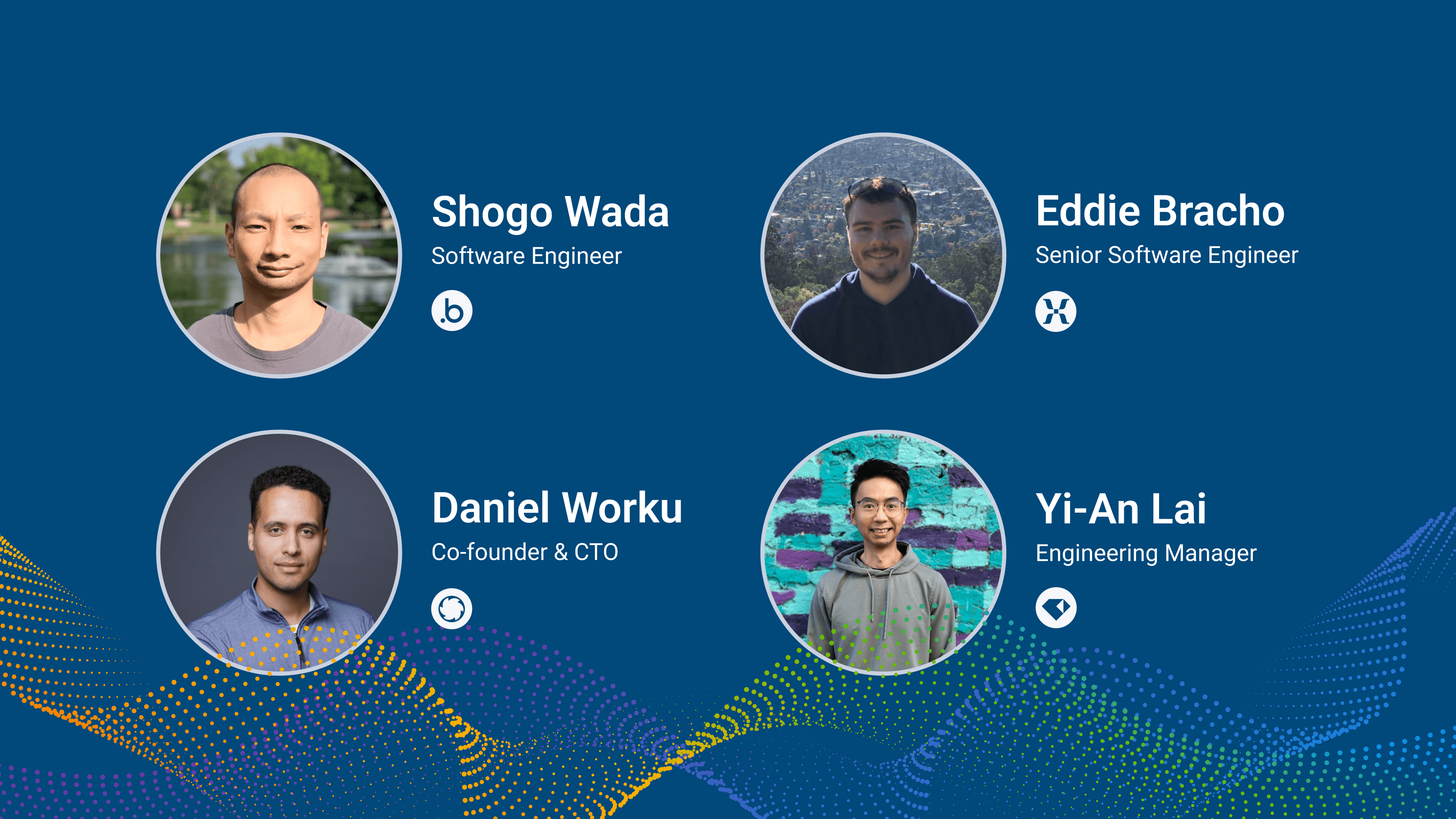
At O11yCon, we talked to engineering teams across the industry, and the numbers are starting to get genuinely wild: Mixpanel DevOps Engineer Eddie Bracho told us their engineering team is generating 50% more PRs than before AI came into the mix (sorry).
The LLM is rarely the root cause of agent failures. This technical guide shows how to instrument AI agents using OpenTelemetry's GenAI semantic conventions so they appear in Honeycomb's Agent Timeline—including tool calls, multi-agent handoffs, and framework-specific SDKs—so you can debug what actually went wrong.
On May 4th in the EU instance, and May 7th in the US instance, Honeycomb ran its only scheduled maintenance session with major planned downtime in the last five years. The maintenance aimed to replace the decade-old Kafka cluster at the core of event ingestion in all of Honeycomb with a newer, more reliable and scalable cluster.